
1. Choose the right time of day
- Transplant early morning or evening
- Avoid midday heat
- Cloudy days are ideal
This reduces shock and water loss
2. Harden off first (even in summer)
When moving plants to a new area (or before planting mail-order plants)
- Give the plants a 3–7 day minimum period to adjust
- Start in shade, gradually increase sun exposure to what they will receive in their new location
- Protect from strong winds
Skipping this step causes sunburn and wilting.
3. Prepare the planting hole properly
- Dig a hole slightly larger than the root ball
- Water the hole before planting
- Mix compost into native soil (don’t overdo amendments)
4. Water the plant before transplanting
- Water seedlings 1–2 hours before planting
- Roots should be fully hydrated
- Never transplant dry plants
5. Handle roots gently
- Slide plants out by the root ball, not the stem. Gently invert the pot while protecting the plant, and gently loosen it from the pot
- If roots are circling, gently loosen them
- Avoid breaking roots
6. Plant at the correct depth
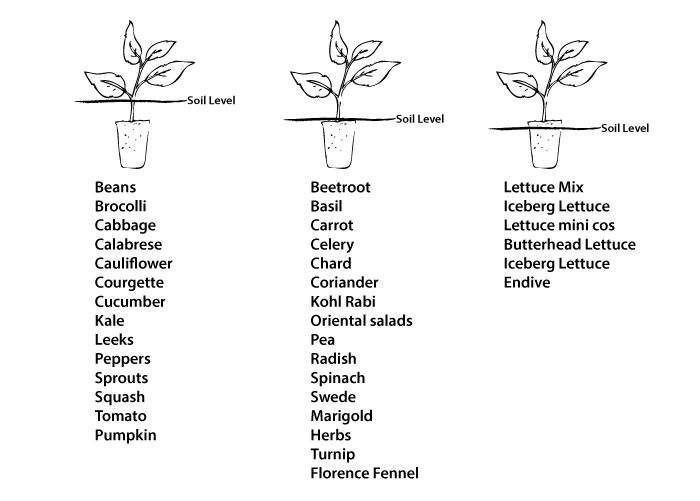

Most plants: same depth as the pot
Tomatoes: can be planted deeper
Firm soil gently—don’t compact it
7. Water deeply and immediately
- Soak the soil thoroughly
- Eliminate air pockets around roots
- Expect some wilting the first day—this is normal
- Watering leaves is generally not recommended, but it can help a wilting plant acclimate (especially in warm temperatures). If a plant is having a hard time acclimating, watering the plant's leaves several times a day can help.
8. Shade for the first few days after planting
- Use shade cloth, row cover, or even cardboard
- Protect plants from direct sun for 2–5 days
- Especially important during heat waves
9. Mulch to retain moisture
- Apply 2–3 inches of mulch
- Keeps soil cool and moist
- Prevents crusting and evaporation
- For some plants, such as tomatoes, mulching prevents soil pathogens from entering the plants
10. Care during the first week
- Check daily
- Water deeply when the soil dries at the root level
- Avoid fertilizer for 7–10 days
- Remove shade gradually
Common summer transplant mistakes ❌
- Transplanting at noon/during hot periods, it is better to wait till a cooler rainy period and at a cooler time of day
- Skipping shade protection
- Shallow watering (test the soil with your finger to see how far the water penetrated)
- Fertilizing immediately
- Letting plants dry out (during the summer, during dry periods, this can happen quickly)
Pro tip
If temperatures are above 90°F (32°C), delay transplanting, if possible, to a cooler, rainier time.